


26 Sep 2026 · 9 min read
San Antonio Car Wash and Detailing Costs in 2026
What actually drives the price of a wash, detail, tint job or paint protection film in San Antonio, and how to compare options in 2026.
san-antonio texas car-wash27 September 2026 · 8 min read
Walk into almost any detail shop or tint-and-wrap studio in California and you will hear both terms inside the first minute: ceramic coating and paint protection film. Both get pitched as "paint protection." Both cost real money. And both get marketed with language that blurs what they actually do to the metal, clear coat, and film underneath. They are not competing versions of the same product — they solve different problems, and in a lot of shops they are sold together rather than as either/or.
This guide breaks down what each one physically is, what it protects against and what it doesn't, what shops in the directory offer both, and how to keep either one looking right after it's installed. Every business named below is a real, currently listed shop you can look up directly; nothing here is a price quote, since rates vary by vehicle size, panel count, and film or coating tier and you should always check current rates with the shop itself.
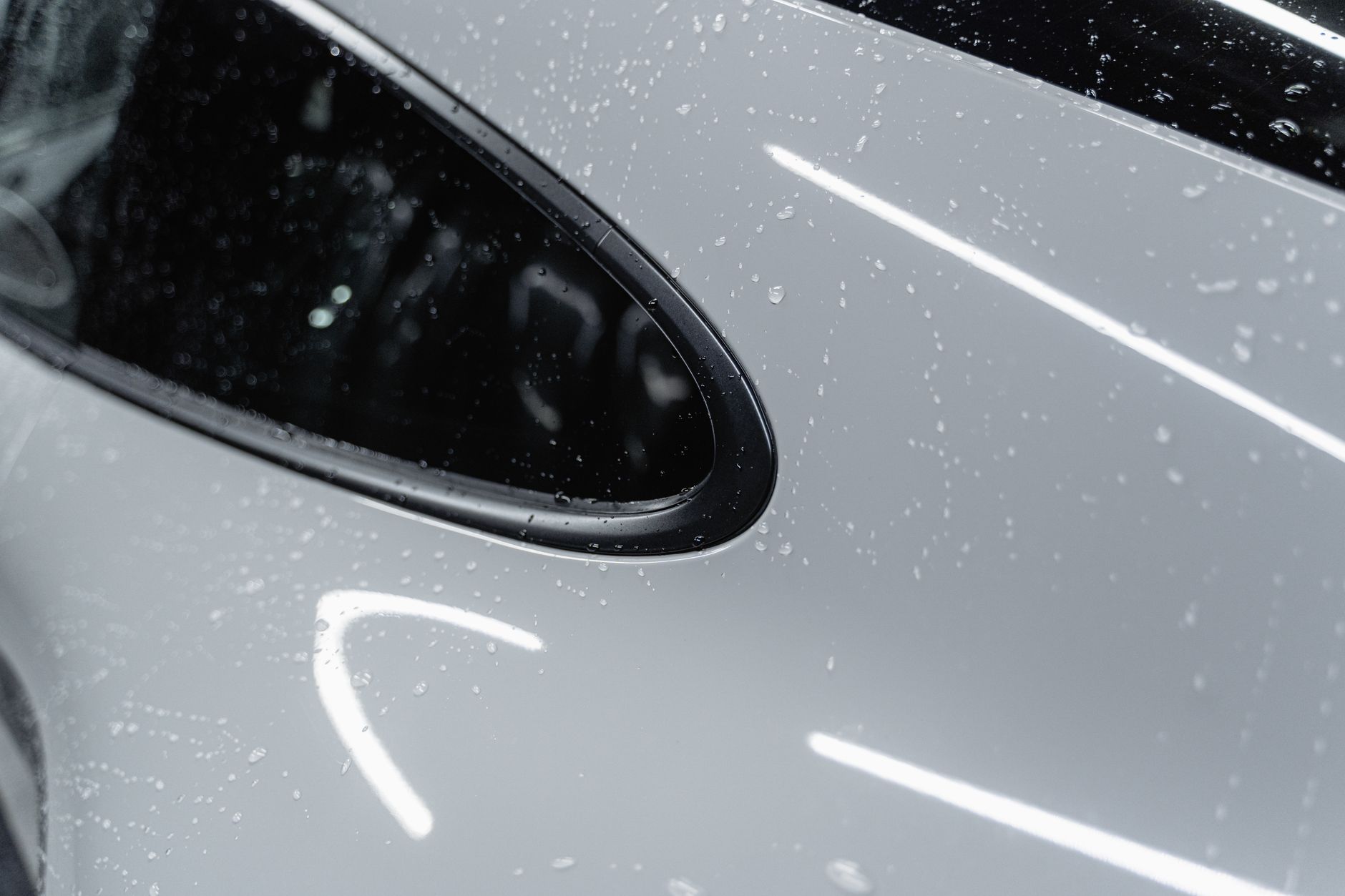
Ceramic coating is a liquid product, usually based on silicon dioxide (SiO2) chemistry, that a technician applies by hand in thin layers directly onto the clear coat, then cures under controlled shop conditions. Once cured, it bonds to the paint at a molecular level and forms a hard, glossy, semi-permanent layer on top of the factory clear coat.
What it's good at: making water bead and sheet off instead of sitting in a film, cutting down on how much road grime and bug residue physically bonds to the paint, adding UV resistance that slows oxidation and fading, and giving the paint a noticeably deeper gloss. A cured coating also makes future washing easier, because less contamination sticks to the surface in the first place.
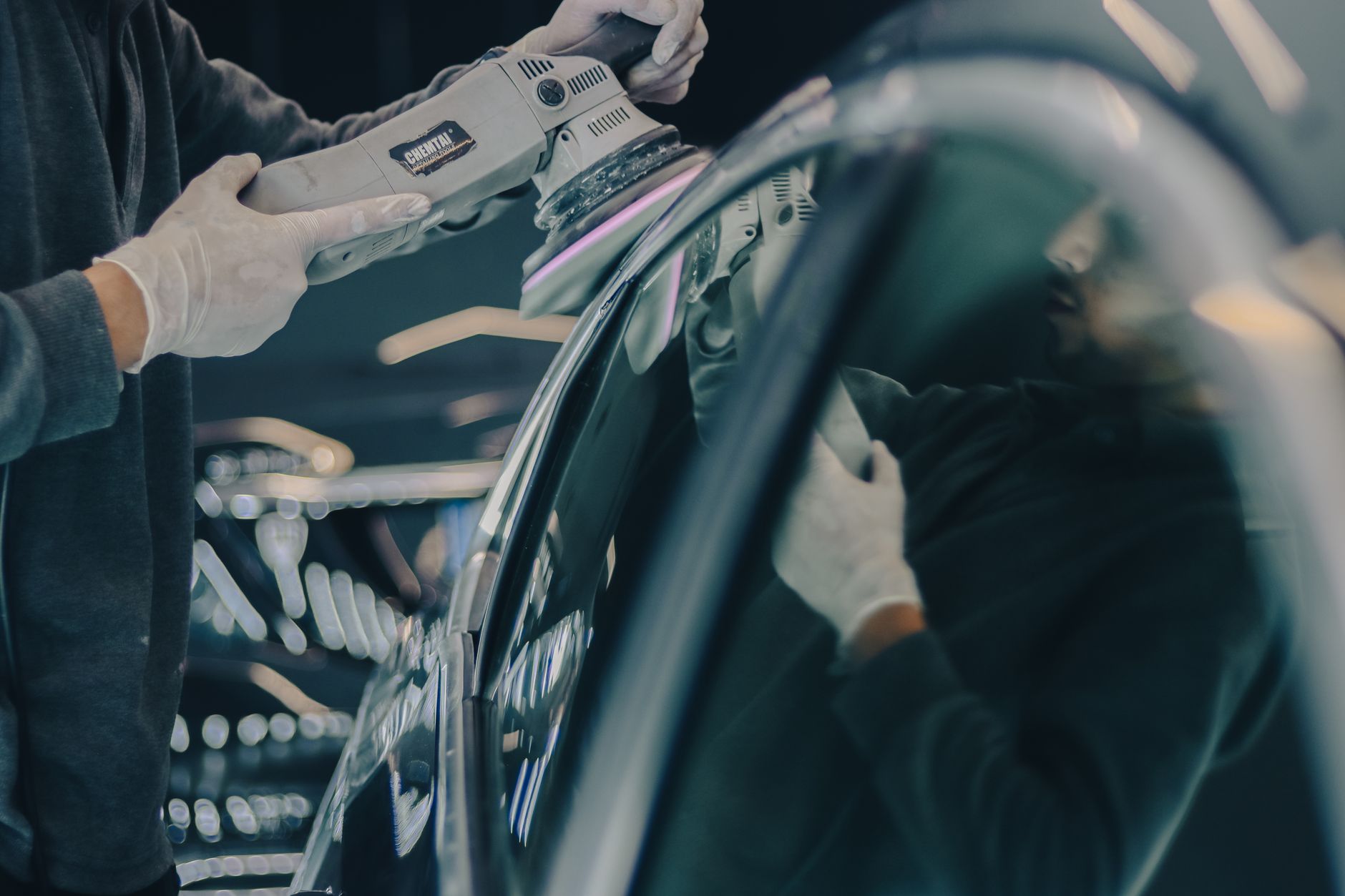
What it doesn't do: stop a rock chip, a key scratch, or a shopping cart door ding. Ceramic coating is thin — measured in microns — and it rides on top of your existing clear coat. It's a maintenance and gloss product, not armor. Shops also can't coat over swirl marks or scratches; that's why nearly every real ceramic coating job includes paint correction first, to polish out defects before the coating locks in whatever the paint looks like underneath it.
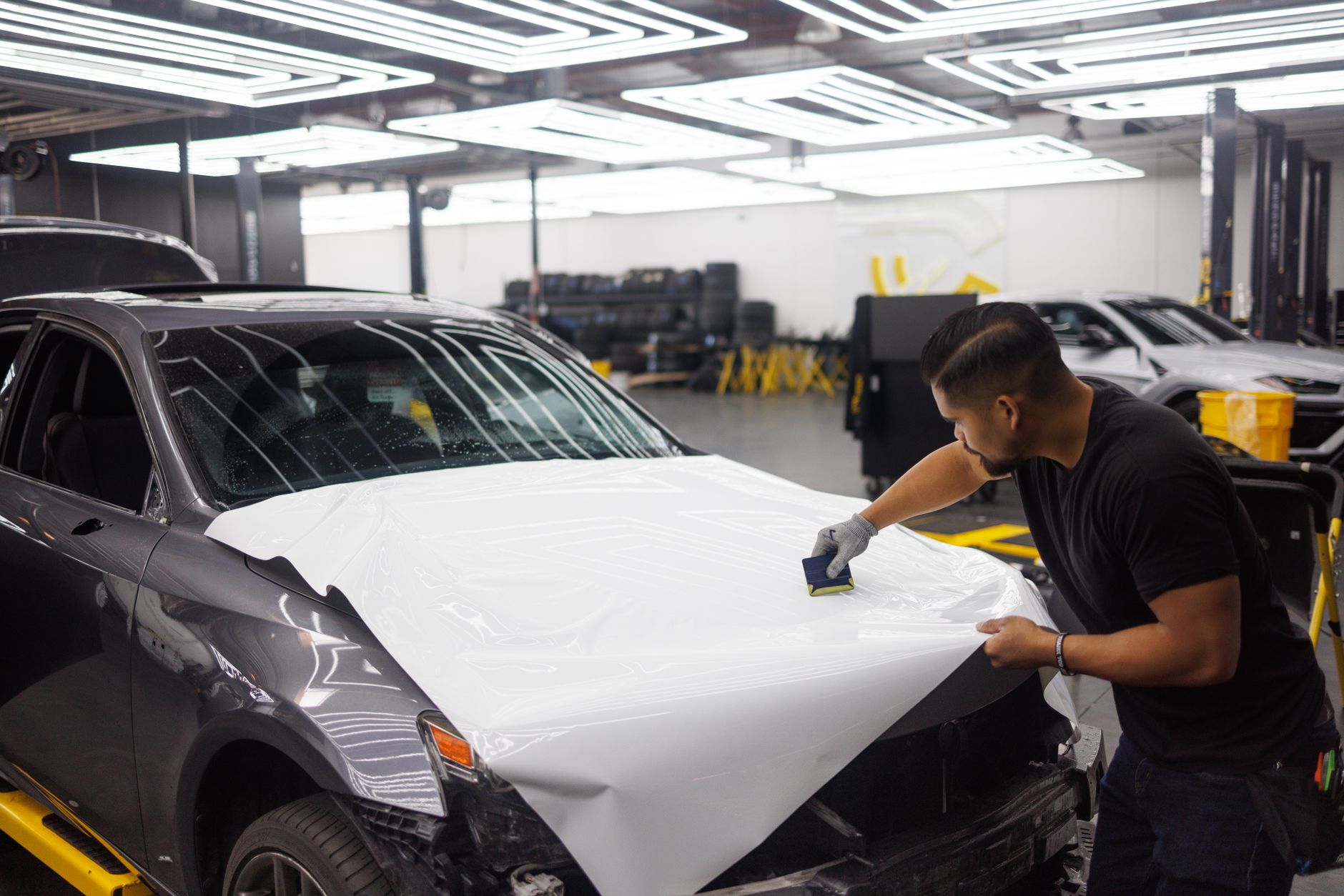
Paint protection film (PPF), sometimes called clear bra, is a physical product: a urethane film, typically 6 to 10 mils thick, that's heat-formed and applied directly over painted panels — usually the hood, front bumper, fenders, mirrors, and rocker panels, though some owners cover the full vehicle. Installers use a squeegee and a heat gun to stretch the film around body lines and edges, then trim it to the panel.
Because it has physical thickness, PPF does what ceramic coating cannot: it absorbs the impact of small rock chips, sand pitting on the highway, and light scuffs, keeping that debris from ever reaching the clear coat. Most modern films are also self-healing — light swirls and scratches in the film itself soften and disappear with heat, from the sun or a heat gun. Quality film is also UV-stable and won't yellow the way older generations sometimes did.
What it doesn't fix: a coating gives you gloss and easier washing; PPF by itself is closer to optically invisible on a well-executed install. It's an impact and abrasion product, not a shine product.
Because coating and film solve different problems, a lot of installers apply ceramic coating on top of the film itself, once it's installed. That gets you the impact resistance of PPF on the covered panels plus the hydrophobic, easy-to-clean surface of a coating everywhere, including the panels that aren't wrapped.
This is common enough in California that several listings in the directory are set up to do exactly that as one job rather than two separate visits.
Paint Protection Film & Wraps · Los Angeles, California
In Los Angeles, Dice Wraps runs tint, PPF, and ceramic coating out of one shop, which is the clearest sign of how tightly these services are bundled in practice rather than sold as competing options.
Paint Protection Film & Wraps · Los Alamitos, California
OC Paint Protection in Los Alamitos, serving both LA and Orange County, lists paint protection film, ceramic coating, and window tinting as its core services — again treating the film-plus-coating combination as a standard package rather than an upsell.
Paint Protection Film & Wraps · San Diego, California
Down in San Diego, BubbleTime Auto Films SD advertises ceramic coating, vinyl wrap, and PPF together, alongside window tinting and detailing, for owners who want the full protection stack in one appointment.
Because pricing depends heavily on vehicle size, film or coating brand tier, and how many panels are covered, this guide won't quote numbers — check current rates directly with the shop. What's worth asking about instead:
| Ceramic Coating | Paint Protection Film | |
|---|---|---|
| Form | Liquid, cures into a hard layer | Physical urethane film |
| Main benefit | Gloss, hydrophobic beading, easier washing, UV resistance | Impact and chip resistance, self-healing surface |
| Stops rock chips? | No | Yes, on covered panels |
| Adds noticeable shine? | Yes | Minimal on its own |
| Typical coverage | Full vehicle, thin layer | Targeted panels (hood, bumper, mirrors) or full wrap |
| Often paired with | Paint correction beforehand | Ceramic coating applied on top |
Beyond the shops that do both, plenty of directory listings specialize more narrowly, and it's worth knowing the difference between a dedicated film installer and a detail shop that also offers coating as an add-on.
Paint Protection Film & Wraps · Campbell, California
PremierXpressTINT&WRAPS in Campbell lists automotive tint, paint protection, chrome delete, vinyl wraps, paint correction and polish, and ceramic coating — a full customization-and-protection menu rather than a single-service shop. You can browse the rest of the paint protection film listings in California or check the Campbell business directory for nearby services.
Paint Protection Film & Wraps · Bakersfield, California
NextGen Autostyling in Bakersfield covers vehicle wraps, custom lighting, detailing, paint correction, and ceramic coating alongside its film work — more of a styling shop where protection is one part of a broader build. Bakersfield's other car-care listings are in the Bakersfield city directory.
Auto Detailing · Sacramento, California
For owners closer to Sacramento, O'Donoghue Customs & Detailing is listed under Auto Detailing rather than as a PPF specialist, but its listing states it offers full detailing, paint correction, PPF, and ceramic coatings out of one shop with over ten years in business — a useful example of a detailing-first operation that still does both protection products in-house rather than sending film work out.
If you're weighing a detailer that also does coatings against a dedicated wrap shop, the practical difference usually comes down to how much of their day-to-day work is protection film specifically versus detailing with coating as one line item. Ask to see recent film installs, not just coated cars, if PPF is the main thing you want done well.
Both products go on top of whatever the paint looks like at the time of application, so prep work matters more than the product itself in a lot of cases.
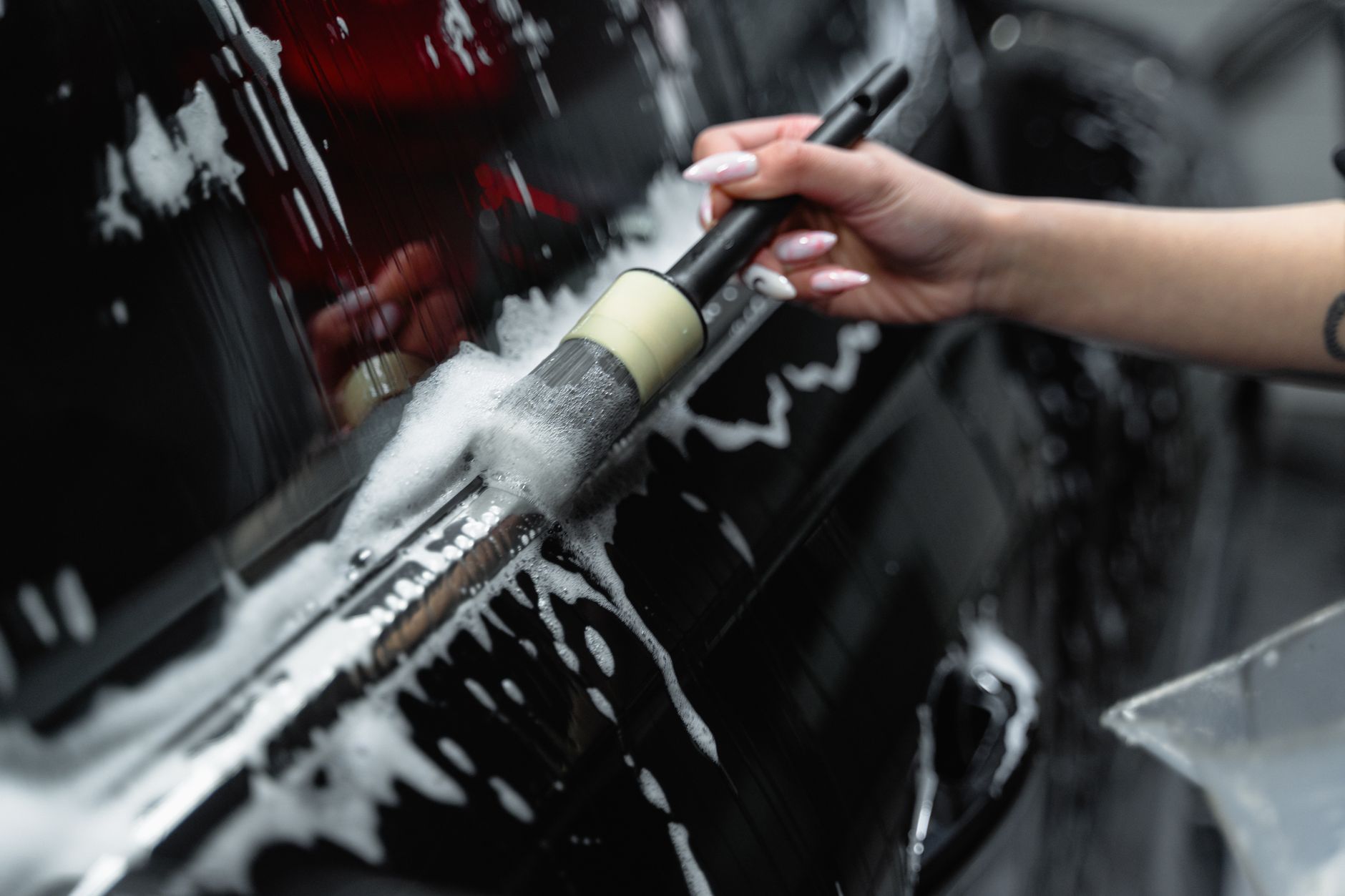
A proper pre-coating or pre-film visit should include a wash and decontamination step — usually a chemical iron remover and a clay bar or clay mitt pass to strip bonded contamination the wash alone won't touch — followed by paint correction if the car has visible swirls, holograms, or fine scratches under direct light. Skipping correction and going straight to coating just seals in those defects permanently until the coating wears off or gets removed. For film installs, the panel needs to be completely clean and free of contamination before the film goes down, since anything trapped underneath will show as a bump or a cloudy spot.
If your car hasn't been professionally detailed in a while, it's worth booking a detailing appointment as its own step rather than assuming the coating or film shop will fully correct the paint as part of the package — ask specifically what prep is included before you book.
Once either product is on, day-to-day washing habits matter for how long it lasts and how good it looks.
Automatic tunnel washes with cloth or brush systems can introduce fine swirls into both coated paint and film, since the same rotating material touches every car that goes through regardless of condition. Touchless washes, hand washes, or a careful home wash with a pH-neutral shampoo and the two-bucket method are generally gentler options for a car with a fresh coating or film install. If you're relying on washes near home, browsing touchless car wash listings or a local hand car wash is a reasonable way to avoid abrasive brush tunnels while the coating or film is still new.
Avoid automated high-pressure wands aimed directly at film edges for the first few weeks after installation, since the adhesive needs time to fully cure. For coatings, most installers recommend avoiding any wash at all for the first several days to let the product harden fully before it gets wet.
If what you actually want is protection against rock chips, road debris, and abrasion on the panels that take the most abuse, paint protection film is the product built for that job — ceramic coating won't stop a chip no matter how many layers go on. If what you want is a paint surface that beads water, resists staining, and holds a deeper gloss with less washing effort, that's what ceramic coating is for. If you want both, that's a normal, common combination — several California shops in this directory, including Dice Wraps in Los Angeles, OC Paint Protection in Los Alamitos, and BubbleTime Auto Films SD in San Diego, install film and coating together as a standard package rather than treating them as alternatives. Whichever direction you go, ask about prep work and correction before you ask about the product itself — it's what determines how the paint looks once either one is on.
26 Sep 2026 · 9 min read
What actually drives the price of a wash, detail, tint job or paint protection film in San Antonio, and how to compare options in 2026.
san-antonio texas car-wash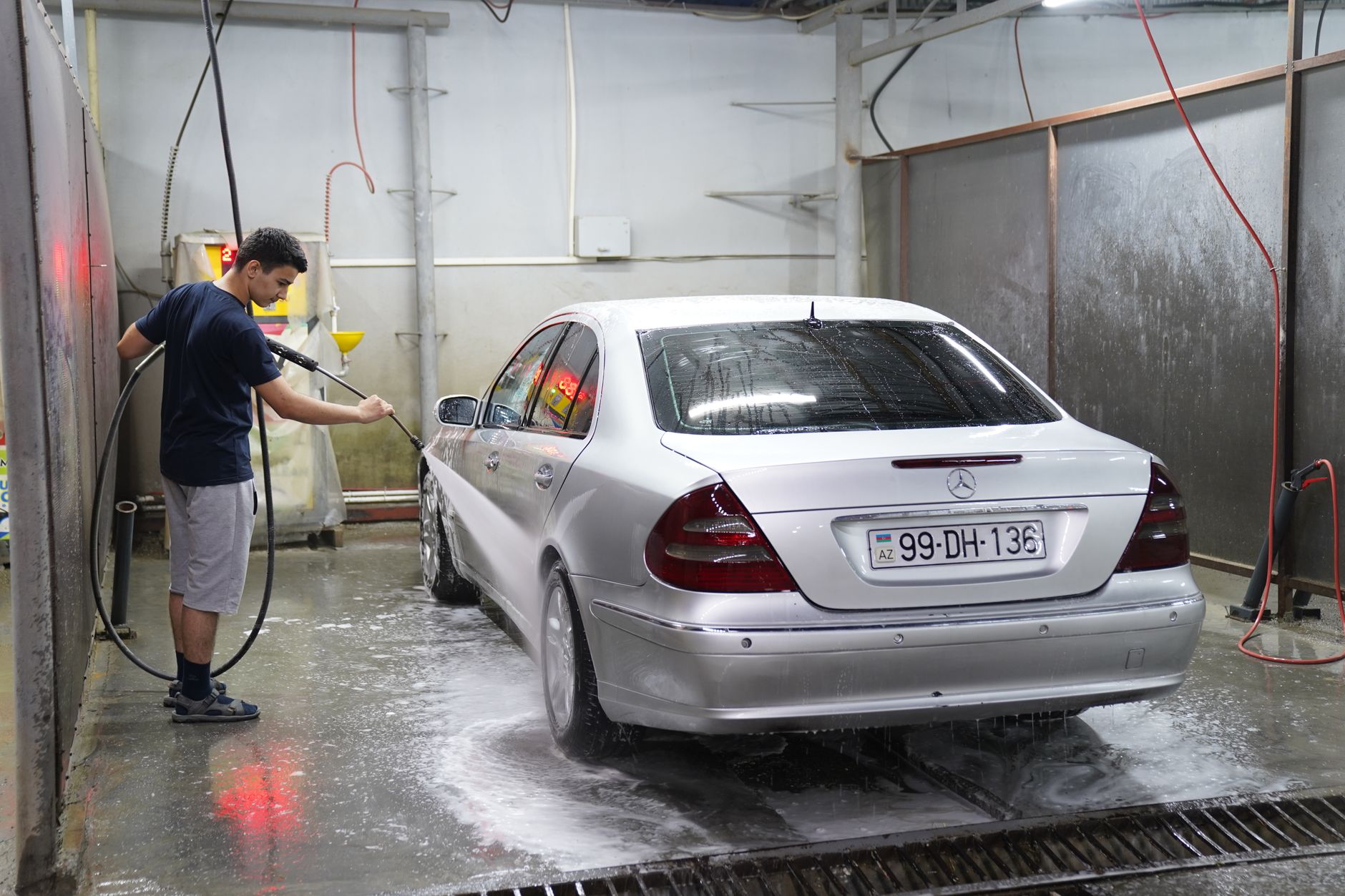
25 Sep 2026 · 8 min read
A practical cycle order, payment tips and vacuum-stall tricks for getting a genuinely clean car at Bakersfield self-service bays without wasting quarters.
bakersfield california self-service-car-washes
24 Sep 2026 · 8 min read
A practical, listing-by-listing guide to tunnels, self-service bays, hand washes, detailing, tinting, and truck washes in Long Beach, CA.
long-beach california car-wash