


04 Oct 2026 · 8 min read
Truck and Fleet Washes Explained: How They Work in 2026
What separates a truck and fleet wash from a regular car wash, and how self-service, full-service and mobile options compare.
truck-washes fleet-washes alabama01 October 2026 · 8 min read
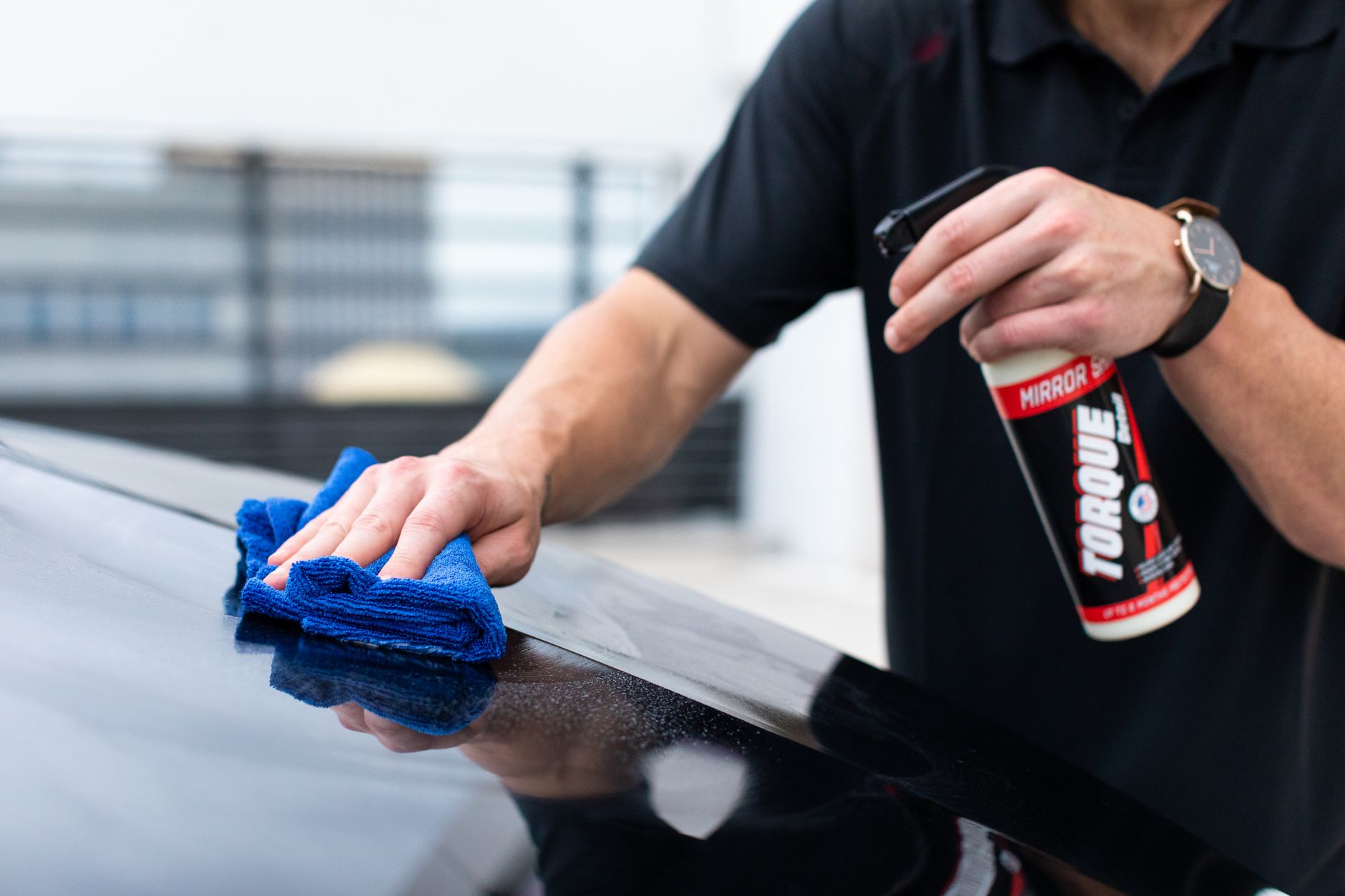
A ceramic coating is only as good as the paint underneath it. Shops that apply coatings for a living will tell you the same thing in different words: most of the work — and most of what determines whether the finish looks right in six months — happens before the coating ever touches the car. If the paint isn't properly washed, decontaminated and corrected first, a coating will lock in swirl marks, trap contamination under a hard shell, and fail to bond evenly. This guide walks through what actually needs to happen before you book an appointment, what a reasonable shop will ask you, and how to decide between a ceramic coating and paint protection film (PPF) in the first place.
A ceramic coating is a liquid polymer that cures into a thin, hard layer chemically bonded to the clear coat. It isn't a wax or sealant sitting on top of the paint — it's meant to fuse with it. That bond only forms correctly on a surface that is completely clean and smooth at a microscopic level. Any leftover wax, sealant, road grime, tar, iron particles from brake dust, or even oils from your hands can create a barrier between the coating and the clear coat, leading to patchy application, low spots, or peeling within weeks.
This is why every reputable detailer treats the prep stage as non-negotiable, not an upsell. A shop that offers to "just coat it" without a wash, decontamination and inspection step first is skipping the part of the job that actually matters. It also explains why two shops can charge very different amounts for what looks like "the same" coating package on paper — the difference is usually in how many hours go into prep and correction before the coating is ever opened, not the coating product itself. Always ask what the quoted price actually covers rather than comparing numbers alone.
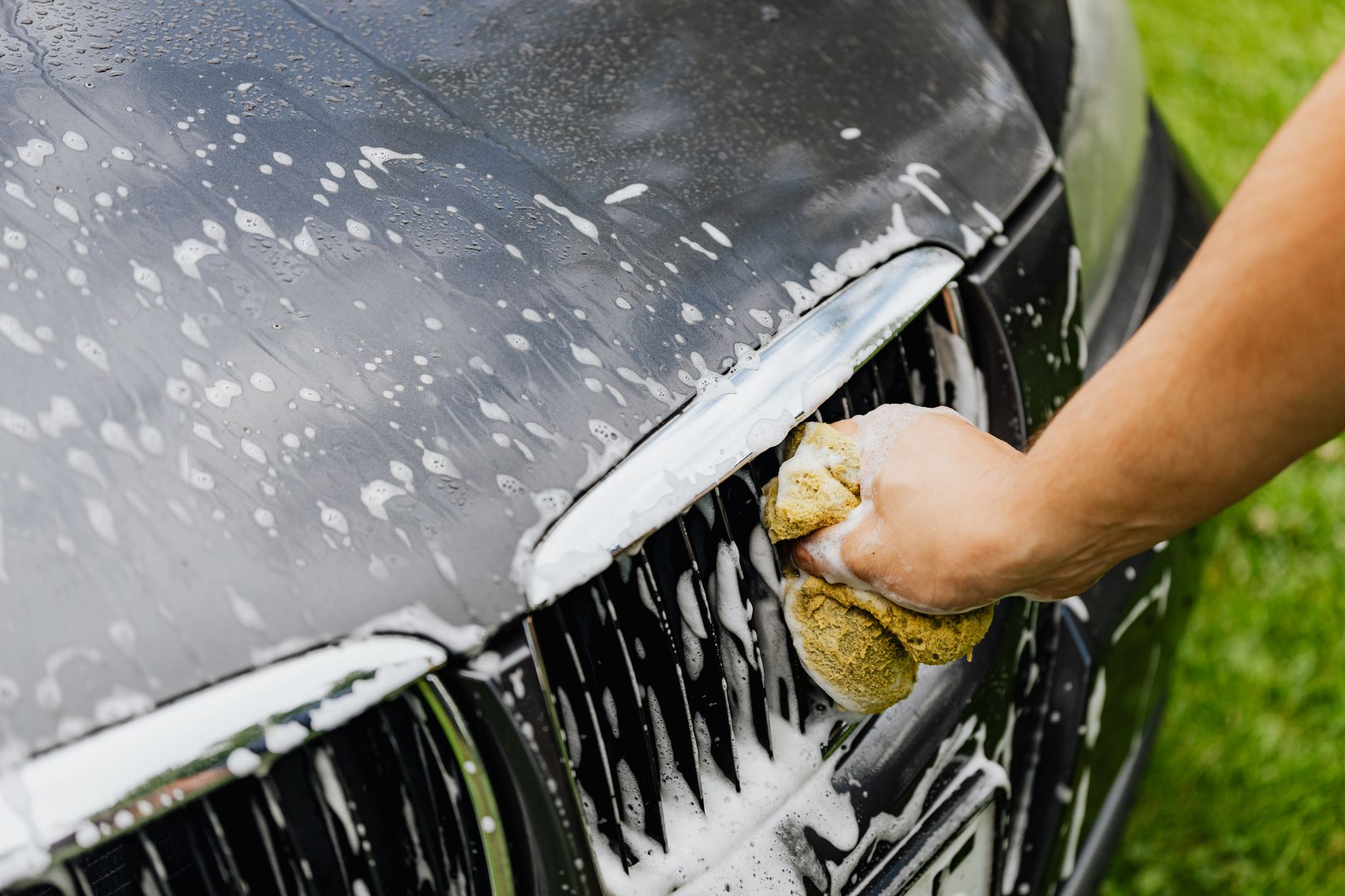
The first real step is a proper two-bucket wash with a pH-neutral soap, followed by decontamination: a clay bar or clay mitt to pull embedded contaminants out of the clear coat, and often an iron remover spray that dissolves embedded brake dust particles (you'll see it turn purple as it reacts). Skipping decontamination is the single most common reason a DIY coating job goes wrong — the paint can look clean and still be covered in contaminants you can feel but not see.
Auto Detailing · Modesto, California
Shops that specialize in ceramic coatings and paint protection film, like this one in Modesto, build decontamination into every coating package rather than treating it as optional, since the coating's durability depends on it. If you're located near the Auto Detailing listings in Modesto, it's worth comparing a few shops on what their prep process actually includes before booking, not just the coating brand they use.
Once the paint is clean, inspect it under direct sunlight or a strong flashlight at a low angle. Swirl marks, light scratches and oxidation all become visible this way, even on paint that looked flawless under normal lighting. A ceramic coating does not hide these defects — it preserves them, permanently, under a hard layer that's far more difficult to polish out later than bare clear coat.
Auto Detailing · San Diego, California
This is the point where a one-step or multi-step paint correction (machine polishing to remove swirl marks before coating) makes the difference between a finish that looks genuinely new and one that just looks clean. Full-service detailers that handle both correction and coating, such as this 5.0-rated shop in San Diego, can walk you through how much correction a given car's paint actually needs — some cars need a single light polish, others need multiple correction passes, and a few (usually older daily drivers with years of unmaintained paint) may not be able to fully correct without removing more clear coat than is safe. A shop that inspects paint thickness before recommending multi-stage correction is doing this right. You can browse more San Diego auto detailing listings here and San Diego's full car-care directory here to compare.
Consumer-grade ceramic coating kits are widely available, and a careful DIYer with the right conditions — a clean, dust-free garage, controlled temperature, and time to let each layer flash and cure — can get a solid result. But professional-grade coatings generally cure harder and last longer than consumer kits, and a shop has the controlled environment, buffing equipment and experience to avoid high spots, streaking or uneven coverage, which are the most common DIY mistakes.
Auto Detailing · Santa Barbara, California
Mobile detailers add a middle option: the prep work (wash, decontamination, sometimes correction) happens at your home or workplace, which is convenient, though full ceramic coating application is usually better suited to a controlled indoor bay where dust and temperature can be managed. If a mobile appointment is more practical for your schedule, ask the detailer directly whether they apply coatings on-site or only handle prep and refer coating work to a shop.
Ceramic coating and paint protection film solve different problems, and plenty of cars get both. A ceramic coating adds gloss, makes the surface easier to clean, and gives some chemical resistance, but it doesn't stop rock chips or scratches. PPF is a thick, self-healing urethane film that physically absorbs impacts from gravel, road debris and minor scrapes, usually applied to high-impact areas like the front bumper, hood and mirrors, or as a full-front or full-body wrap.
| Ceramic Coating | Paint Protection Film (PPF) | |
|---|---|---|
| Protects against | UV fading, light chemical etching, water spots | Rock chips, scratches, minor abrasion |
| Look | Enhances gloss and color depth | Clear, close to invisible when installed well |
| Typical areas | Full exterior | Front bumper, hood, mirrors, or full wrap |
| Maintenance | Regular washing, periodic topper/booster | Keep clean, inspect edges for lifting |
| Lifespan | Multiple years depending on product and care | Often 5–10 years depending on film and conditions |
Paint Protection Film & Wraps · San Jose, California
Paint Protection Film & Wraps · Sacramento, California
Shops that offer both services, like these two in the Bay Area and Sacramento, can usually combine them: PPF on the front end for impact protection, ceramic coating over the rest of the car (and sometimes over the PPF itself) for gloss and easier maintenance. If cost is the deciding factor, ask each shop for a written quote for your specific vehicle and coverage area — don't rely on general price ranges, since film coverage, coating tier and vehicle size all move the number. You can compare more Paint Protection Film shops in California here.
A few questions separate a shop that will do this correctly from one that's just selling a bottle of product:
Paint Protection Film & Wraps · San Mateo, California
Shops that handle PPF, ceramic coating and window tint under one roof, like this one in San Mateo, tend to have clear answers to all of these because the same prep standards apply across every service they offer. If a shop can't answer the prep and warranty questions clearly, that's worth noting before you commit. See more San Mateo-area paint protection film listings here.
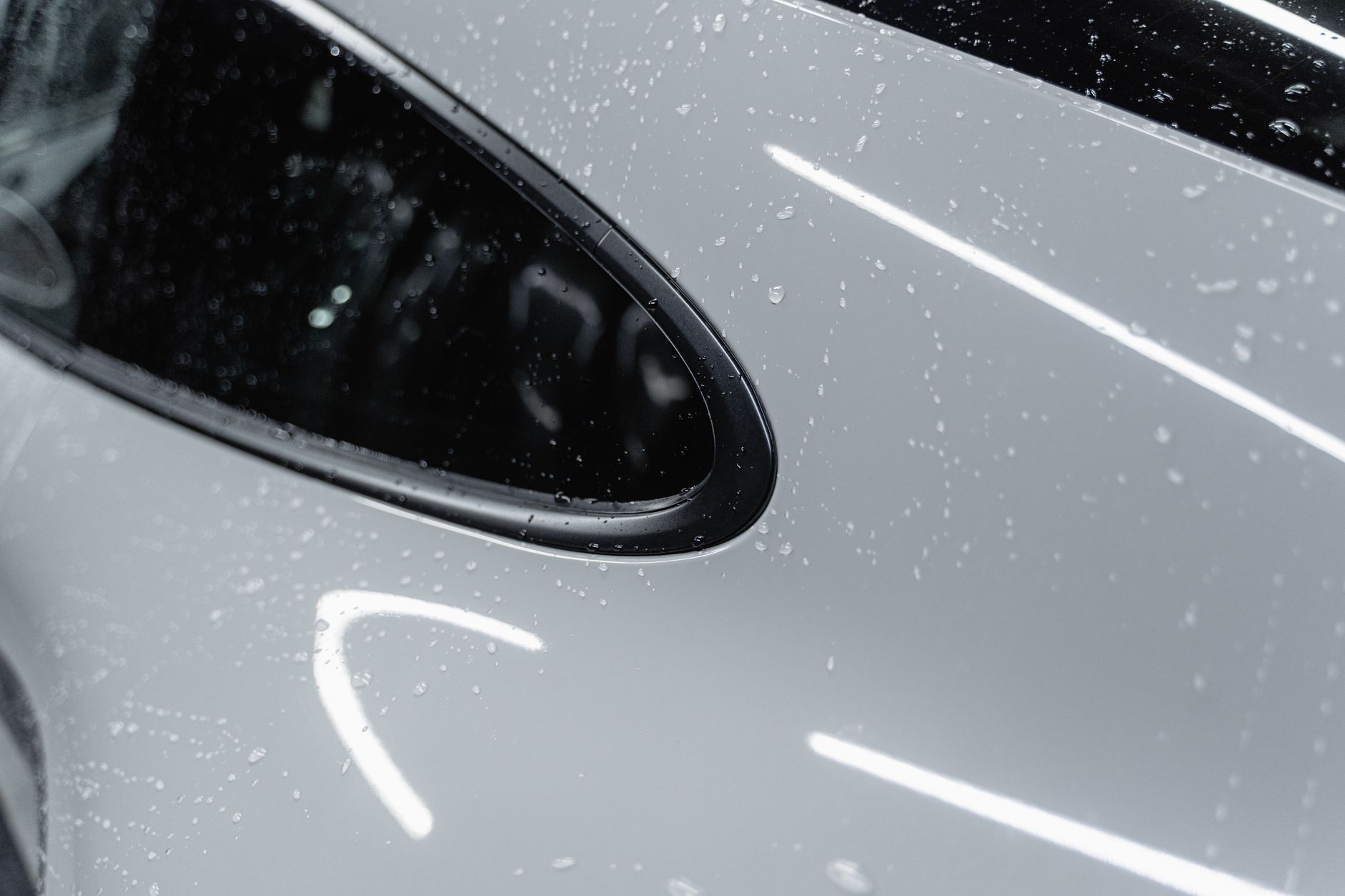
Most coatings need a curing period — often a week or more depending on the product — during which the car should stay dry and out of direct contact with chemicals, bird droppings or tree sap for as long as possible. Shops will usually give you a specific curing window and a care sheet; follow it rather than general advice found online, since cure times vary by product.
Paint Protection Film & Wraps · Los Angeles, California
After the coating is fully cured, maintenance is simpler than before: regular rinses, a pH-neutral wash soap, and avoiding automated tunnel washes with aggressive brushes if the coating warranty specifies hand washing or touchless washes only. PPF needs less day-to-day attention but benefits from an occasional inspection of the film edges for lifting, especially around the hood and mirrors. Shops specializing in protection films, like this one in Los Angeles, can also advise on whether a coating applied over PPF is worth it for your specific film and driving conditions. Browse more Los Angeles paint protection film shops here or the full Los Angeles directory.
Prep is not a step you can shortcut on a ceramic coating job — it's most of the job. Before booking anywhere, confirm the shop's process includes a full wash, decontamination and an honest look at whether your paint needs correction first. Decide early whether you actually need PPF, a ceramic coating, or both, based on what you're trying to protect against: rock chips call for film, while gloss and easier cleaning call for a coating. And once it's done, follow the shop's specific cure and maintenance instructions rather than generic advice, since products, warranties and cure times vary by brand.
If you take one thing away from this guide, make it this: ask every shop you're considering to walk you through their prep process in detail before you ask about price. A shop that can explain exactly what happens to your paint before the coating goes on — and why — is the one more likely to get the result you're paying for. A car that's properly prepped and coated by a shop that does the decontamination and correction steps right will hold up far better than one where the coating was the only step that happened.
04 Oct 2026 · 8 min read
What separates a truck and fleet wash from a regular car wash, and how self-service, full-service and mobile options compare.
truck-washes fleet-washes alabama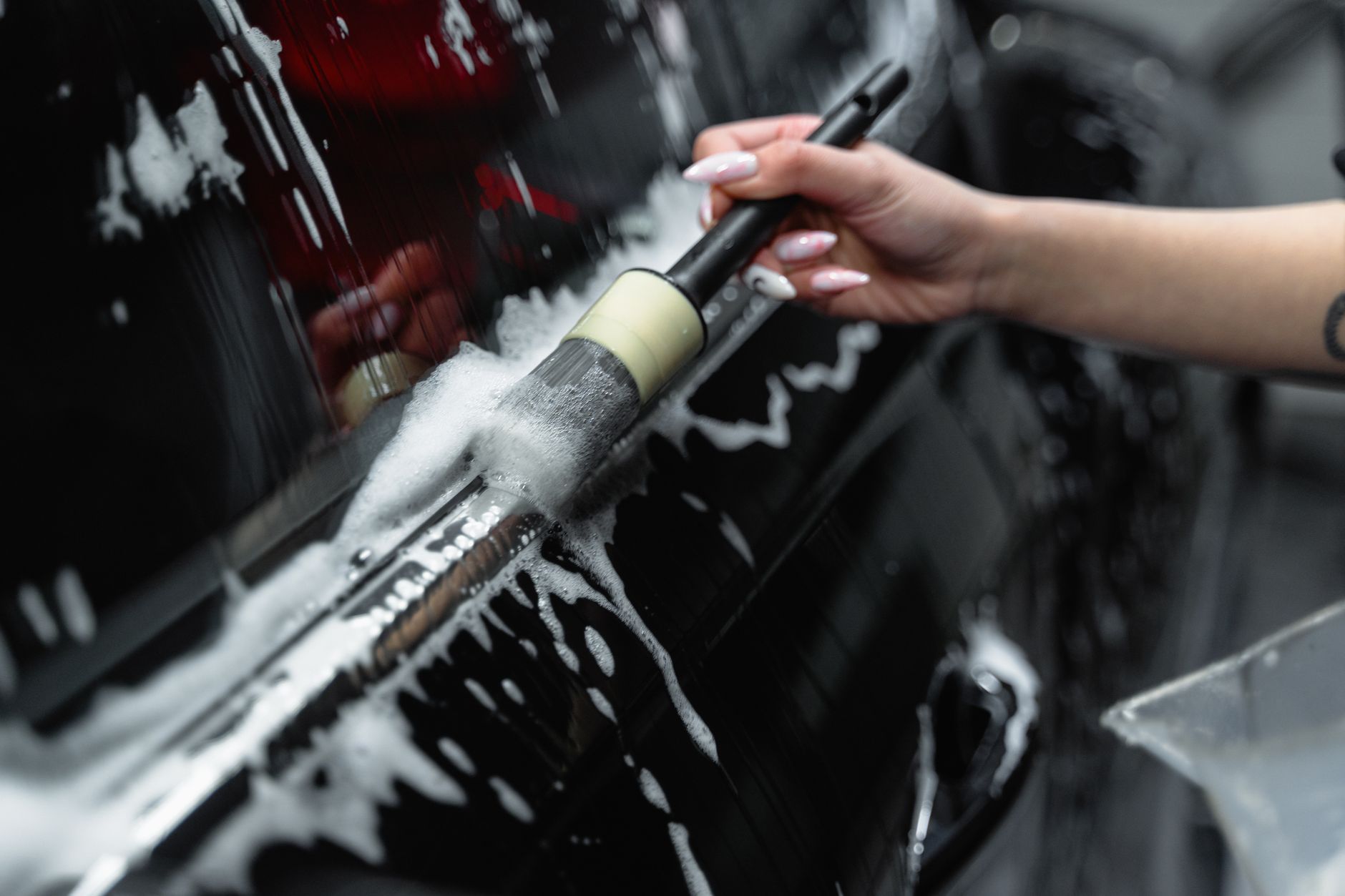
03 Oct 2026 · 9 min read
A practical, listing-by-listing guide to tunnels, hand washes, self-service bays, mobile detailers and tint shops in Los Angeles.
los-angeles california car-wash
02 Oct 2026 · 9 min read
What express tunnels, self-service bays, hand washes, detailing, tint and ceramic coating actually cost in Fresno, and what drives the final price.
fresno california car-wash